How to Design the Perfect Cycling Events Course: Tips from Experts

The blueprint for a cycling events course has evolved far beyond simply marking a road from point A to point B. With more amateur and professional organizers entering the field, and rider safety and experience expectations rising, course design is now a discipline blending sport science, logistics, and local community input. This neutral analysis examines current trends, underlying challenges, typical user concerns, the likely impact on events, and signals worth watching for the next season.
Recent Trends in Course Design
Organizers increasingly prioritize rider flow and spectator engagement over sheer distance or elevation gain. Data from recent seasons shows a shift toward circuits or loops rather than point-to-point formats, especially for mass-participation events. This allows organizers to concentrate medical, feed, and timing resources while reducing road closure complexity.
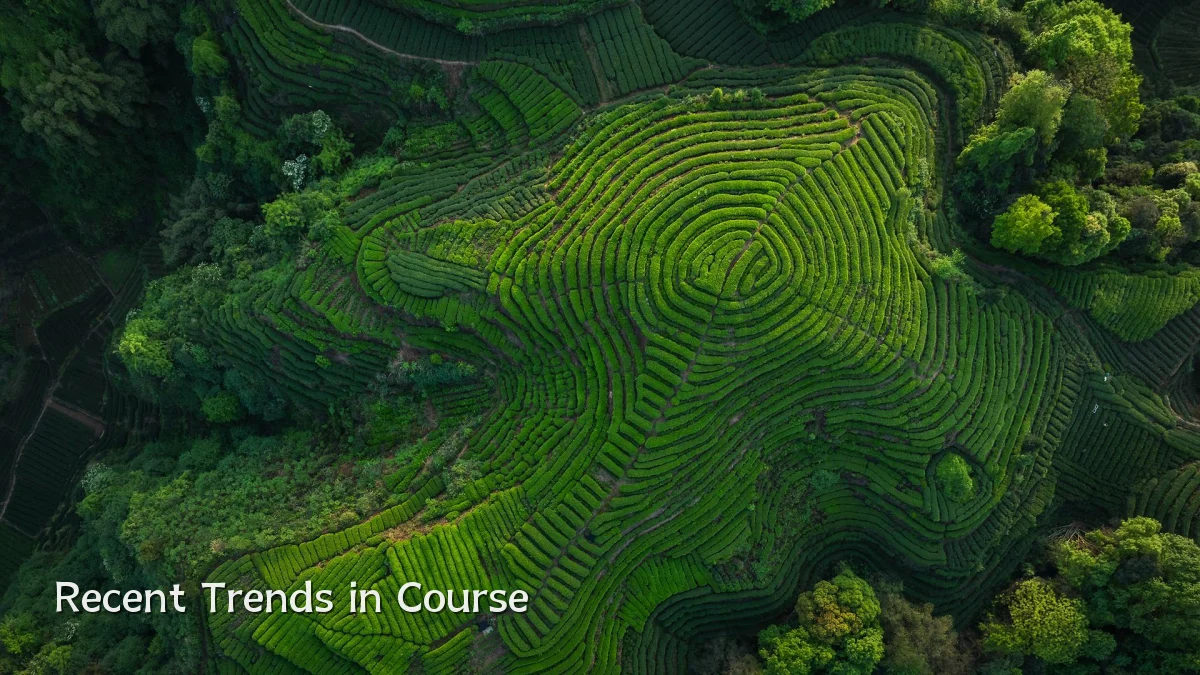
- Smart routing tools – Digital elevation mapping and heatmap data from GPS devices now allow designers to simulate fatigue zones and pinch points before the first rider rolls out.
- Surface diversification – Mixed-surface courses (pavement, gravel, short sections of packed dirt) are gaining popularity among both road and adventure cyclists, as they provide variety without extreme technical demands.
- Para-cycling and adaptive integration – More events now include course variants or time-separated starts for handcycles, trikes, and tandems, widening participation beyond the able-bodied rider.
Background: What Defines a Well-Designed Course
Best practices have coalesced around core principles, often drawn from decades of collective experience among course directors and sports governing bodies. A design must satisfy safety regulations for rider density and road width, but also manage rider expectation for challenge versus enjoyment. Experts emphasize that the perfect course is not the most difficult—it is the one that balances risk, reward, and logistics.

- Safety first – Elements such as sharp descents after long climbs, narrow bridges, or fast corners near feed zones are audited for incident likelihood. Mitigations include adding rumble strips, designated slowdown zones, or repositioning aid stations.
- Neutralisation zones – A growing practice: placing neutral roll-outs before timed sections to avoid high-speed bunching immediately from the start, common in races without a moto escort.
- Community integration – Courses that weave through town centers (rather than purely rural roads) tend to attract higher spectator numbers and local business support, but require detailed traffic management plans.
User Concerns: Riders, Officials, and Residents
Each stakeholder group brings distinct worries that a course designer must address. Riders typically focus on surface quality, navigation clarity, and appropriate climb profiles. Officials are concerned with radio coverage, emergency vehicle access, and rule enforcement points. Residents often voice concerns about road closures and noise.
- Rider safety and stamina – Courses with unpredictable turns or hidden potholes are frequent complaints. Riders also cite a lack of “exit lanes” when feeling unwell—short alternative loops or sag wagon pickup points alleviate this.
- Accessibility for spectators – Points where the course loops back on itself (or passes the start/finish multiple times) give spectators more viewing options and reduce the need for long walks.
- Environmental impact – Courses that traverse sensitive habitats (e.g., nesting grounds, erosion-prone slopes) are increasingly scrutinized. Organizers now conduct pre-event route surveys and adjust timing to avoid peak wildlife activity.
Likely Impact on Events
If course design continues to integrate these insights, the immediate effect will be measurable in lower injury rates and higher rider return rates. Events that invest in thorough pre-route recces and micro-adjustments (e.g., shifting a feed zone location by a few hundred meters) reduce the chance of bottlenecks that cause crashes or disqualification confusion. Financially, a well-designed course reduces insurance premiums over time and can attract sponsors who want positive association with well-run, inclusive events.
- Rider satisfaction scores – Preliminary data from several regional series shows that courses with clearly marked signage and predictable difficulty (climbs grouped early, descents with wide shoulders) score 15–20% higher in post-event surveys compared to ad-hoc routes.
- Lower attrition – When a course offers reasonable bail-out options and clear cutoff points, fewer riders abandon early, leading to fuller event photos and a stronger sense of achievement.
- Regulatory ease – Communities are more likely to renew permits for events that have minimal resident complaints and a proven safety record. A transparent course design process—publishing route maps early and soliciting feedback—builds trust.
What to Watch Next
Two developments are likely to influence the next wave of course design. First, real-time route monitoring technology (e.g., GPS trackers on lead vehicles linked to a control center) is becoming cost-effective for amateur-level events, allowing rapid rerouting around hazards or congestion. Second, the growing popularity of electric-assist bikes (e-bikes) is prompting organizers to create separate start waves or distinct intermediate cutoff times to maintain fairness for traditional riders.
- AI-driven route optimization – Software that analyzes past rider GPS data to suggest course modifications (e.g., shifting a climb’s start point to avoid a wind tunnel effect) is in early testing by a few major sportif organizers.
- Dynamic signage – Digital LED signs that update to reflect rider location and weather conditions are being trialed in European events, replacing static kilometer markers.
- Inclusive course design protocols – Expect more event-specific guidelines for handcycle and cargo-bike routes, as the cycling community pushes for “one course, one start line” where feasible.
Designing the perfect cycling events course remains as much art as science, but the latest shifts toward data-driven safety, community integration, and adaptive access suggest that the next generation of routes will be both safer and more inviting to riders of all abilities. The experts emphasize one constant: test every turn, every surface, and every feed zone before race day, and be ready to adjust based on real-world feedback.